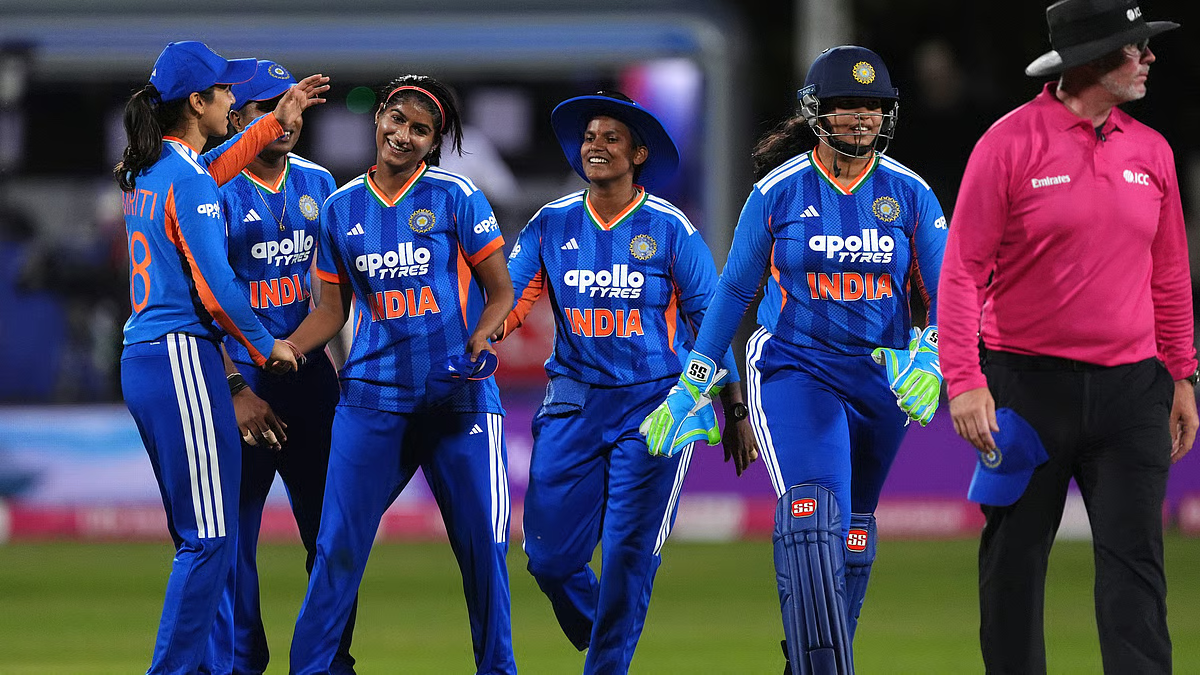
India National Cricket Team Vs Afghanistan National Cricket Team Stats
07 mins
Table of Contents
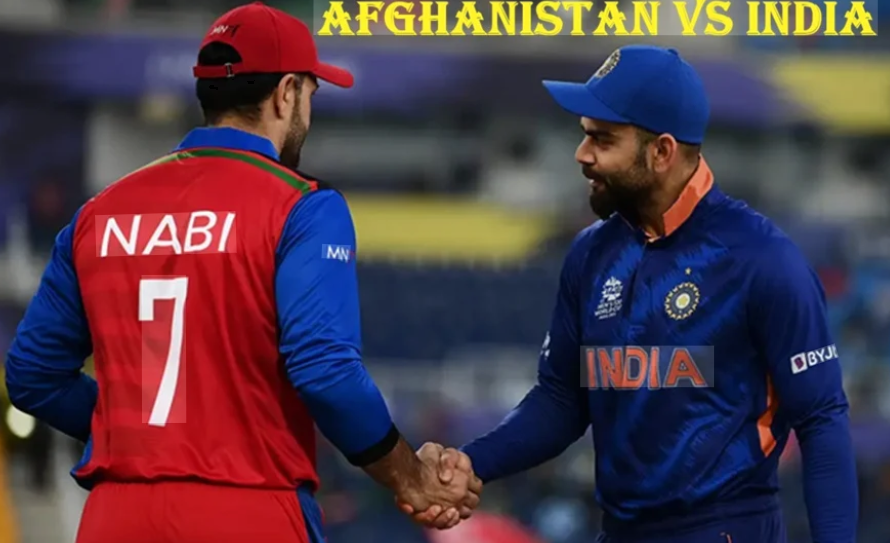
Cricket encounters between these two international sides have grown into a fascinating contest shaped by evolving skill levels, changing team strategies, and rising competitive intensity. What once began as a clear mismatch gradually transformed into a more engaging and respected rivalry on the global stage. Early matches highlighted experience gaps, but over time the newer side developed stronger bowling units, improved batting depth, and sharper tactical awareness. Fans have witnessed shifting momentum across tournaments, especially in multi-nation events where pressure situations bring out surprising performances. Each meeting now carries expectations of competitiveness, making every match a story of ambition, adaptation, and growing cricketing maturity.
Latest Matches Table
Date
Format
Venue
Winner
Margin
First Innings Score
Second Innings Score
20 June 2024
T20I
Bridgetown
India
47 runs
India 181/8
Afghanistan 134/10
17 January 2024
T20I
Bengaluru
India
Super Over
India 212/4
Afghanistan 212/6
14 January 2024
T20I
Indore
India
6 wickets
Afghanistan 172/10
India 173/4
11 January 2024
T20I
Mohali
India
6 wickets
Afghanistan 158/5
India 159/4
11 October 2023
ODI
Delhi
India
8 wickets
Afghanistan 272/8
India 273/2
08 September 2022
T20I
Dubai
India
101 runs
India 212/2
Afghanistan 111/8
Team Statistics Summary Table
Format Name
Total Matches
Won By India
Won By Afghanistan
Tied Matches
No Result
Win Percentage India
Test Matches
1
1
0
0
0
100.00
One Day Internationals
4
3
0
1
0
75.00
Twenty20 Internationals
9
8
0
0
1
88.88
Overall Summary
14
12
0
1
1
85.71
Individual Batting Records Table
Batsman Name
Team Name
Total Matches
Total Runs
Highest Score
Batting Average
Strike Rate
Virat Kohli
India
6
312
122
78.00
142.46
Rohit Sharma
India
5
241
131
60.25
135.39
KL Rahul
India
4
187
69
46.75
130.76
Mohammad Shahzad
Afghanistan
6
165
80
27.50
118.23
Rahmanullah Gurbaz
Afghanistan
5
148
64
29.60
124.36
Ibrahim Zadran
Afghanistan
5
132
64
26.40
115.78
Individual Bowling Records Table
Bowler Name
Team Name
Total Matches
Total Wickets
Best Bowling
Economy Rate
Bowling Average
Ravichandran Ashwin
India
4
14
4/34
4.85
12.42
Jasprit Bumrah
India
5
11
4/17
4.12
13.54
Mohammed Shami
India
3
9
3/40
5.20
15.11
Rashid Khan
Afghanistan
6
8
3/23
6.45
22.37
Mujeeb Ur Rahman
Afghanistan
5
7
3/26
6.10
25.85
Mohammad Nabi
Afghanistan
6
6
2/19
6.80
31.50
Early Encounters and First Meetings
Early Encounters and First Meetings began when the two sides first shared an international stage in limited-overs tournaments. The stronger side entered as an established cricket powerhouse, while the newer team arrived with energy, discipline, and a hunger to prove itself. The early matches were largely one-sided, but they carried an important learning value for the developing team. Batters from the stronger side dominated scoring charts, while bowlers from the emerging side focused on containment and variations. Despite the imbalance, the newer team showed glimpses of resilience, especially in spin-friendly conditions. Fans witnessed a clear difference in experience, but also the beginning of a competitive spirit that would grow over time. These early meetings laid the foundation for respect and future competition, slowly shaping a modern cricket rivalry that became more balanced with each passing year.
Match Phase
Dominant Side
Key Performer
Match Nature
Early ODI Clashes
Established Team
Top-order batters
One-sided
Initial T20 Meetings
Stronger Side
Fast bowlers
Controlled
First Asia Events
Developing Team
Spin attack
Competitive spells
Learning Phase
Both Sides
Middle order batters
Uneven contests
Rise of Competitive Balance
Rise of Competitive Balance marked the period when the emerging team started narrowing the gap. Investment in domestic cricket, structured coaching, and international exposure improved overall performance. The team began producing world-class spinners who could challenge even the most experienced batters. On the other side, the established team started treating these matches with greater seriousness, often fielding full-strength squads. This phase saw closer contests, especially in the middle overs where disciplined bowling created pressure. Batting depth also became a deciding factor, as matches were no longer decided in the first ten overs. The audience began to notice that the gap was shrinking, and every match now carried uncertainty. This shift changed the emotional tone of encounters, making them more engaging and unpredictable for fans.
Match Phase
Competitive Level
Key Strength
Match Trend
Transition Era
Medium
Spin bowling
Improving contests
Development Phase
High
Batting depth
Closer finishes
ICC Events
Balanced
Fielding unit
Competitive games
Modern Shift
Very High
All-round skills
Unpredictable
High Pressure Tournament Clashes
High Pressure Tournament Clashes brought both teams into high-stakes environments where every over mattered. ICC events and continental championships became the stage for their most intense encounters. The stronger side often carried expectations of dominance, but the opposition used pressure situations to display discipline and tactical awareness. These matches were defined by cautious starts, calculated middle overs, and aggressive finishes. The newer team especially gained attention for holding their nerve in key moments, even when chasing difficult totals. Meanwhile, experienced players from the stronger side often anchored innings under pressure. These matches were not just about skill but also about mental strength, where small mistakes decided outcomes. Fans from both nations became deeply invested, turning these games into emotional spectacles watched globally.
Tournament
Pressure Level
Key Moment
Outcome Style
ICC World Events
Very High
Powerplay control
Tight finishes
Asia Cup Games
High
Middle overs battle
Competitive
Group Stage Matches
Medium
Death overs hitting
Controlled wins
Knockout Scenarios
Extreme
Bowling execution
Narrow results
Tactical Battles in Middle Overs
Tactical Battles in Middle Overs became the most defining phase of encounters between the two sides. The stronger team relied on rotating strike and building partnerships, while the opposition used spin variations and tight lines to slow scoring. This phase often decided whether the match would become one-sided or remain competitive. Batters were forced to take calculated risks, and bowlers focused on building pressure through dot balls. The emergence of high-quality spin bowling created challenges even for experienced players. Field placements became more aggressive, with captains trying to force mistakes. These middle overs often shifted momentum dramatically, especially when wickets fell in clusters. The tactical depth of both sides improved over time, making this phase the true battlefield of modern encounters.
Overs Phase
Strategy Used
Key Skill
Impact
10–20 Overs
Strike rotation
Spin control
Pressure building
20–35 Overs
Partnership building
Wicket preservation
Stability
Middle Overs
Defensive setup
Variations
Momentum shift
Late Middle
Acceleration
Risk shots
Match direction
Defining Matches and Turning Points
Defining Matches and Turning Points highlighted moments where expectations were challenged. In certain encounters, the underdog side delivered strong performances that surprised fans and analysts. These matches often featured disciplined bowling spells and unexpected batting resilience. Even when the stronger team eventually won, the margin of victory reduced significantly over time. Some matches featured collapses under pressure, while others showcased successful run chases built on patience and timing. These turning points changed the perception of the rivalry, proving that outcomes were no longer predictable. The emotional intensity of these games increased, especially among fans who began to view the contests as genuine battles rather than one-sided affairs.
Match Type
Turning Moment
Key Performer
Result Pattern
ODI Surprise
Early wickets
Spin bowler
Narrow loss
T20 Thriller
Death overs
Finisher batter
Close finish
Asia Cup Clash
Middle collapse
All-rounder
Unexpected pressure
ICC Group Game
Chase resistance
Top order
Competitive result
Star Player Contributions and Impact
Star Player Contributions and Impact played a major role in shaping outcomes across different eras. Experienced batters from the stronger team consistently anchored innings with high strike rates and controlled aggression. On the other side, emerging stars made their mark through impactful spells and fearless batting. Spin bowlers became central figures, often turning matches with sudden breakthroughs. Fast bowlers also contributed in early overs, creating pressure through movement and accuracy. These individual performances added depth to the rivalry, ensuring that matches were not just team contests but also player-driven narratives. Over time, fans began associating certain players with match-winning moments, making their contributions legendary in the context of this competitive journey.
Player Type
Role
Impact Area
Contribution
Top-order Batter
Anchor
Batting innings
Consistency
Spin Bowler
Attack
Middle overs
Wicket taking
Fast Bowler
Pressure
Powerplay
Early breakthroughs
All-rounder
Balance
Both innings
Match control
Modern Era Evolution and Match Trends
Modern Era Evolution and Match Trends reflect a much more balanced competitive structure. Both teams now enter matches with strong preparation and adaptable strategies. The stronger side still maintains an edge in experience, but the gap has reduced significantly in limited-overs formats. The newer team’s bowling unit has become more structured, while batting depth has improved. Matches now often depend on small moments such as dropped catches, powerplay scoring rates, or death over execution. Tactical flexibility has become the defining feature of this era, with both sides adjusting quickly to match conditions. Fans now expect closer contests, and unpredictability has become a regular feature of their meetings.
Era Phase
Team Balance
Key Strength
Match Outcome
Early Era
One-sided
Experience
Dominant wins
Transition
Improving
Spin attack
Competitive
Recent Years
Balanced
All-round skill
Close matches
Current Phase
Highly balanced
Strategy
Uncertain results
Fan Emotions and Rivalry Atmosphere
Fan Emotions and Rivalry Atmosphere have grown significantly over time. Early matches attracted attention mainly due to curiosity, but modern encounters generate widespread excitement across cricket communities. Supporters from both sides express strong emotions during key moments, especially when matches reach tight finishes. Social media engagement spikes during ICC tournaments, with fans analyzing every over and performance. Stadium atmospheres in neutral venues often become mixed, creating an energetic and unpredictable environment. Respect between fan bases has also grown, even though competitive intensity remains high. This emotional engagement has turned the rivalry into a globally followed contest, where every match carries narrative weight beyond the scoreboard.
Atmosphere Type
Fan Reaction
Intensity Level
Engagement
Early Matches
Curious
Low
Limited
ICC Events
Emotional
High
Strong
Close Games
Reactive
Very High
Viral
Modern Matches
Balanced
High
Global attention
Conclusion
Over the years, this cricket contest has evolved from predictable outcomes into a far more balanced and compelling rivalry. The established side still brings experience, depth, and consistency, while the emerging team continues to challenge with discipline, spin strength, and fearless intent. Each encounter adds new layers to the overall narrative, with close finishes and standout performances becoming more frequent. Fans now expect uncertainty rather than dominance, which has elevated the excitement surrounding every match. The journey reflects how international cricket grows through competition, respect, and continuous improvement, turning this fixture into an increasingly important part of modern cricket storytelling.
 1
1