United States National Cricket Team Vs Netherlands National Cricket Team Timeline
08 mins
Table of Contents
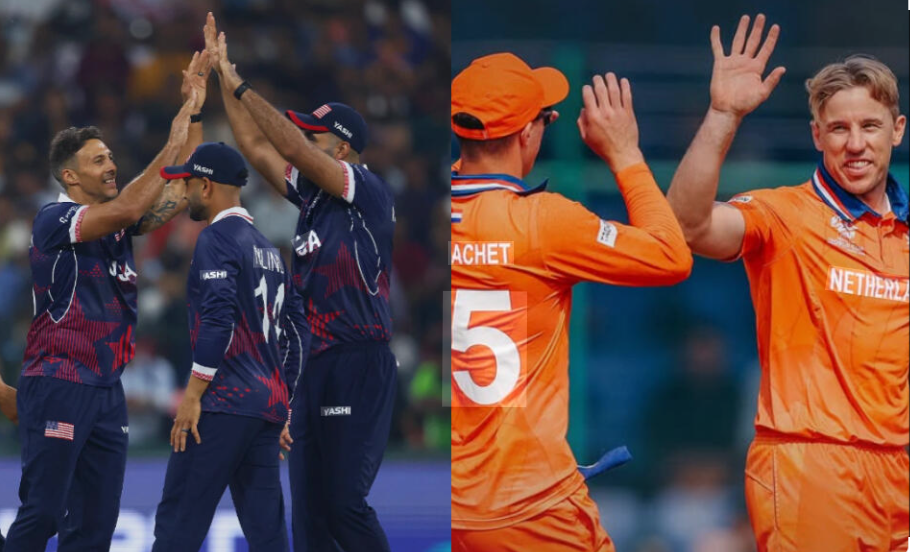
The timeline between these two sides reflects the rise of modern associate cricket where skill, structure, and adaptability began to matter as much as reputation. From their earliest encounters to more competitive modern clashes, both teams have grown through experience, exposure, and evolving game plans. What started as low-profile meetings gradually turned into closely fought contests shaped by tactical awareness and individual brilliance. Each match added a new layer to their competitive identity, highlighting shifting momentum, pressure situations, and emerging stars. This journey captures how both teams transformed over time and turned their encounters into a balanced and engaging cricket rivalry.
Latest Matches Table
Date
Format
Tournament
Venue
Winner
Margin
15 July 2022
T20I
T20 World Cup Qualifier
Bulawayo
Netherlands
7 wickets
22 June 2023
ODI
World Cup Qualifier
Harare
Netherlands
5 wickets
15 August 2024
ODI
CWC League 2
The Hague
Netherlands
19 runs
21 August 2024
ODI
CWC League 2
Rotterdam
Netherlands
27 runs
25 August 2024
T20I
Tri-Nation Series
Utrecht
Netherlands
102 runs
28 August 2024
T20I
Tri-Nation Series
Voorburg
Netherlands
4 runs
13 February 2026
T20I
ICC T20 World Cup
Chennai
United States
93 runs
Team Statistics Summary Table
Team Name
Total Matches
Matches Won
Matches Lost
Tied Matches
Highest Score
Lowest Score
Netherlands
7
6
1
0
237
103
United States
7
1
6
0
196
115
Neutral Venues
3
2
1
0
196
115
Home Venues
4
4
0
0
237
103
ODI Format
3
3
0
0
237
160
T20I Format
4
3
1
0
196
103
Individual Batting Records Table
Player
Team
Total Runs
Highest Score
Average
Strike Rate
Scott Edwards
Netherlands
271
81
54.2
126.6
Max ODowd
Netherlands
236
77
39.3
118.1
Shayan Jahangir
United States
171
71
28.5
142.8
Monank Patel
United States
160
36
26.6
163.6
Aaron Jones
United States
125
45
20.8
115.3
Bas de Leede
Netherlands
118
91
118.0
135.2
Saiteja Mukkamalla
United States
101
79
89.0
141.3
Individual Bowling Records Table
Player
Team
Wickets
Best Bowling
Economy
Matches
Kyle Klein
Netherlands
9
4/35
8.75
4
Shadley Van Schalkwyk
United States
9
3/21
7.41
5
Paul van Meekeren
Netherlands
9
3/23
6.15
4
Aryan Dutt
Netherlands
8
3/24
12.00
5
Bas de Leede
Netherlands
7
3/37
9.25
6
Harmeet Singh
United States
5
4/21
5.25
3
Early Encounters and the Quiet Beginning of the Rivalry
The first meetings between these two sides came during early associate competitions when both teams were still searching for stability at the international level. The contests were not surrounded by major media attention, but the competitive spirit was visible from the start. Players from both squads were adjusting to different conditions, travel demands, and evolving team structures. The matches were often played in neutral venues, where pitch behavior challenged both batting lineups in different ways. In these early games, momentum shifted frequently, with neither side managing complete control over the other. Batting performances were inconsistent, yet flashes of individual skill stood out. Bowlers often dictated terms through disciplined spells, especially during the middle overs. These early encounters quietly laid the foundation of a competitive relationship, where small moments like dropped catches or quick partnerships started influencing outcomes. Over time, these initial clashes built curiosity about how future contests would unfold as both teams developed further.
Match Type
Venue Condition
Top Batter Impact
Bowling Dominance
ODI
Neutral dry
Moderate
Medium pace control
T20
Balanced pitch
Low to mid
Spin influence
ODI
Slow surface
Inconsistent
Defensive bowling
T20
Flat pitch
Aggressive bursts
Death overs key
Building Identity in Associate Cricket
As both teams continued to grow in international cricket, their identities began to take shape. One side leaned towards aggressive stroke play and power hitting, while the other focused on structured batting and technical discipline. This contrast made their meetings increasingly interesting. Domestic leagues and overseas player participation helped improve overall squad strength. Training facilities and coaching standards also began to improve, resulting in better prepared squads. Batters became more confident in rotating strike and building partnerships, while bowlers refined their variations for different phases of the game. Fielding standards improved noticeably, reducing easy scoring opportunities. The difference in approach created tactical battles during matches, especially in how teams constructed innings. One side preferred early acceleration, while the other prioritized controlled accumulation. Over time, these contrasting methods made contests more balanced and unpredictable, giving rise to closely fought encounters that kept results open until the final overs.
Team Approach
Batting Style
Bowling Strategy
Fielding Level
Aggressive
Power hitting
Variation based
Improving
Structured
Rotation focus
Line consistency
Stable
Mixed
Adaptive
Situational
Developing
Balanced
Controlled
Planned phases
Competitive
First Competitive Turning Point Matches
The rivalry began to gain real attention when matches started producing tight finishes and unexpected results. These turning point games were often decided in the final overs, where pressure management became crucial. Batters who handled nerves better played match-winning innings, while bowlers who executed yorkers under pressure shifted outcomes dramatically. In several encounters, early wickets created instability, forcing middle-order recovery efforts. Partnerships became the deciding factor, especially when chasing targets. Fielding errors at critical moments also influenced outcomes, adding emotional intensity to contests. These matches showed that both sides were now evenly matched in skill and temperament. Coaches began focusing more on situational awareness and death-over planning. The competitive balance made each encounter unpredictable, with momentum swings occurring frequently throughout the innings. These turning points marked the transition from casual associate fixtures to serious competitive clashes that demanded strategic depth and mental strength from both teams.
Match Phase
Key Factor
Outcome Driver
Pressure Level
Powerplay
Early wickets
Momentum shift
High
Middle overs
Partnerships
Stability gain
Medium
Death overs
Execution skills
Final result
Very high
Fielding
Mistakes
Match swing
Critical
Rise of Key Players on Both Sides
As the contests became more competitive, individual players began shaping match outcomes more consistently. Top-order batters on both sides started delivering impactful starts, while middle-order players became responsible for recovery situations. Bowlers also rose in prominence, particularly those who could adapt to different conditions. Fast bowlers gained attention for their ability to strike early, while spinners played a key role in controlling the flow of runs. Several players developed reputations for performing under pressure, especially in close matches. These individuals became central to team strategies, with game plans often built around their strengths. Consistency became a key factor, separating match winners from occasional performers. Over time, these players added identity to their teams and created memorable moments in tightly contested games. Their contributions ensured that no match felt one-sided, as both sides had match-winners capable of shifting momentum within a few overs.
Player Role
Impact Area
Consistency Factor
Match Influence
Top order
Start innings
High
Strong
Middle order
Recovery
Medium
Crucial
Fast bowlers
Early breakthroughs
High
Game changing
Spinners
Control phase
Medium
Stable
ICC Qualifiers and High Pressure Clashes
When both teams met in qualification tournaments, the intensity of matches increased significantly. Every run and wicket carried added importance due to qualification scenarios and net run rate calculations. Captains were forced to make tactical decisions under pressure, often adjusting batting orders or bowling changes based on match situations. Several games featured dramatic collapses and recoveries, highlighting the mental challenge of high-stakes cricket. Teams became more cautious in their approach, balancing aggression with risk management. Partnerships played a crucial role, especially when chasing competitive totals. Bowlers focused on restricting boundaries and building pressure through dot balls. These matches tested not only skill but also temperament, as small errors had major consequences. The competitive environment elevated the rivalry to a new level, where every encounter felt like a knockout contest. This phase firmly established both teams as serious contenders in associate-level cricket competitions.
Pressure Factor
Effect
Team Response
Outcome Impact
Net run rate
Strategic batting
Controlled aggression
High
Early wickets
Batting collapse risk
Stabilization
Medium
Death overs
Run leakage risk
Tight bowling
Critical
Captaincy calls
Momentum shifts
Tactical changes
High
Tactical Evolution of United States Cricket
Over time, one side developed a more aggressive and modern approach to limited overs cricket. The batting lineup began focusing on rapid scoring in the early overs, using power hitters to maximize field restrictions. Middle-order flexibility improved, allowing better adaptation to match situations. Bowling strategies evolved with greater emphasis on variation, especially in the final overs. Data-driven planning also started influencing team selections and match tactics. Fielding standards improved, reducing unnecessary runs and increasing pressure on opponents. Fitness levels rose, enabling sharper performance across all innings phases. This evolution helped the team become more competitive and unpredictable. Matches became less about survival and more about controlled aggression. The shift in mindset transformed how they approached games, especially against technically strong opponents. Over time, this tactical evolution contributed to more balanced contests and increased their competitiveness in international fixtures.
Tactical Area
Old Approach
New Approach
Effectiveness
Batting
Cautious
Aggressive
High
Bowling
Basic plans
Variation based
Strong
Fielding
Average
Athletic
Improved
Strategy
Intuitive
Data-driven
Effective
Netherlands Strategic Discipline and Game Control
The opposing side maintained a structured and disciplined approach throughout their development. Their batting strategy focused on building partnerships and minimizing risks during early overs. Instead of relying on explosive hitting, they prioritized strike rotation and calculated acceleration. Bowlers maintained tight lines and lengths, aiming to restrict scoring opportunities. Spin bowling became an important weapon, especially in controlling middle overs. Fielding discipline also played a major role, with emphasis on minimizing errors. This structured approach allowed them to stay competitive in pressure situations. Even when under scoring pressure, they often relied on stability rather than panic-driven shots. This consistency made them difficult opponents in closely contested matches. Their game control strategy ensured that they remained in contention regardless of match conditions. Over time, this disciplined style created a strong identity that balanced well against more aggressive opposition.
Game Phase
Strategy Focus
Execution Style
Strength
Powerplay
Stability
Risk control
Strong
Middle overs
Partnership building
Rotation
High
Death overs
Calculated risk
Planned hitting
Medium
Bowling
Accuracy
Consistency
Strong
Head to Head Matches That Defined the Rivalry
Several matches between these two sides became defining moments in their shared history. These games often featured shifting momentum, where early dominance rarely guaranteed victory. In some encounters, quick batting bursts changed the direction of the match within a few overs. In others, disciplined bowling spells restricted scoring and forced pressure collapses. Final overs frequently decided outcomes, adding emotional intensity for players and fans. Certain matches became memorable due to outstanding individual performances, whether a match-winning innings or a crucial multi-wicket spell. These contests highlighted the growing competitiveness between the two sides. Neither team could consistently dominate the other, which added unpredictability to their meetings. Each game contributed to building a stronger competitive identity, making their encounters increasingly significant in associate cricket circles. Over time, these defining matches became reference points for analyzing both teams’ growth and tactical maturity.
Match Situation
Key Moment
Turning Point
Result Influence
High chase
Late partnership
Momentum shift
Decisive
Low total defense
Early wickets
Pressure build
Strong
Balanced game
Death overs
Final execution
Critical
Collapse recovery
Middle order stand
Stability return
High
Conclusion
The journey between these two teams shows how associate cricket can develop into a meaningful and competitive rivalry over time. What once began as occasional fixtures has now evolved into structured, high-pressure contests where outcomes are decided by fine margins. Both sides have contributed to raising the standard through improved tactics, stronger player performances, and better game awareness. The rivalry continues to grow with each encounter, reflecting progress, resilience, and ambition. As both teams keep developing, their meetings are expected to remain unpredictable, competitive, and an important part of modern international cricket’s evolving landscape.
 1
1