Afghanistan National Cricket Team Vs South Africa National Cricket Team Timeline
08 mins
Table of Contents
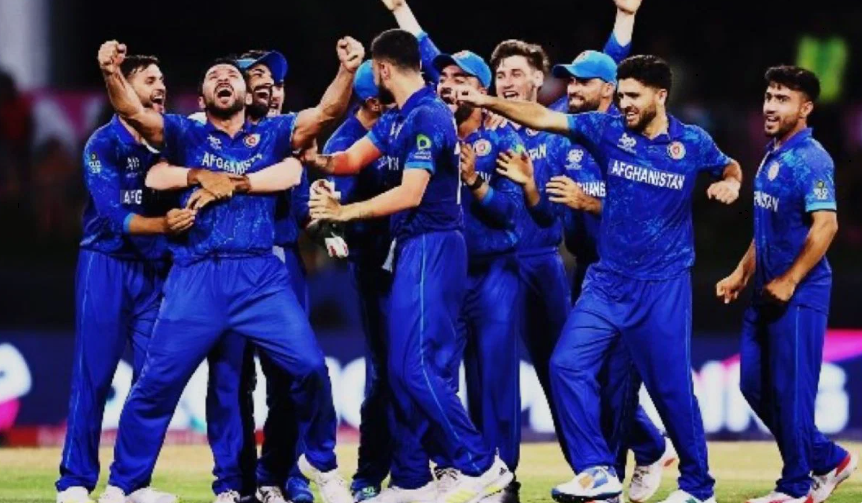
The cricket journey between these two international sides reflects a powerful story of growth, dominance, and transformation. One team entered the global stage with a long legacy of experience, structured systems, and proven match winning ability. The other arrived with passion, rapid development, and fearless intent that quickly caught global attention. Their meetings have gradually shaped a modern cricket narrative filled with tactical battles, individual brilliance, and shifting momentum. Over time, what once looked like an uneven contest has evolved into a competitive timeline where both teams test each other’s strengths, adapt strategies, and create memorable moments that define international cricket evolution.
Latest Matches Table
Date
Format
Tournament
Venue
Winner
Margin
11 Feb 2026
T20I
ICC T20 World Cup
Ahmedabad
South Africa
Super Over
21 Feb 2025
ODI
ICC Champions Trophy
Karachi
South Africa
107 runs
22 Sep 2024
ODI
Bilateral Series
Sharjah
South Africa
7 wickets
20 Sep 2024
ODI
Bilateral Series
Sharjah
Afghanistan
177 runs
18 Sep 2024
ODI
Bilateral Series
Sharjah
Afghanistan
6 wickets
27 Jun 2024
T20I
ICC T20 World Cup
Trinidad
South Africa
9 wickets
Team Statistics Summary Table
Format
Played
South Africa Wins
Afghanistan Wins
No Result
Highest Score
Lowest Score
Test Matches
0
0
0
0
0
0
One Day Internationals
6
4
2
0
341/3
134
Twenty20 Internationals
4
4
0
0
209/5
56
All Formats Combined
10
8
2
0
341/3
56
ICC Tournament Matches
6
6
0
0
341/3
56
Bilateral Series Matches
3
1
2
0
311/3
134
Individual Batting Records Table
Player
Team
Matches
Runs
Highest Score
Average
Strike Rate
Rahmanullah Gurbaz
Afghanistan
5
234
105
46.80
88.30
Aiden Markram
South Africa
7
198
69
33.00
112.43
Azmatullah Omarzai
Afghanistan
6
187
97
37.40
84.61
Quinton de Kock
South Africa
4
145
47
36.25
91.19
Hashmatullah Shahidi
Afghanistan
5
132
50
26.40
67.34
Reeza Hendricks
South Africa
5
118
51
23.60
108.25
Individual Bowling Records Table
Player
Team
Matches
Wickets
Best Bowling
Economy
Average
Rashid Khan
Afghanistan
6
12
5/19
4.35
16.50
AM Ghazanfar
Afghanistan
3
9
4/25
3.80
11.11
Bjorn Fortuin
South Africa
4
8
3/28
4.10
18.25
Fazalhaq Farooqi
Afghanistan
5
8
3/35
5.12
24.50
Lungi Ngidi
South Africa
4
7
3/19
4.88
21.00
Tabraiz Shamsi
South Africa
3
6
4/6
5.40
14.33
Early separation in international cricket
The beginning of this sporting comparison came from two very different cricket environments. One side had a long history of international dominance built on strong domestic structures and world class facilities. The other side was still developing its identity on the global stage, relying heavily on passion, discipline, and raw talent. When these two teams were first discussed together, it felt more like a mismatch in experience than a balanced contest. However, the growing improvement in the newer side started to change that perception slowly. Over time, performances in global tournaments showed that the gap was not as wide as many believed. The stronger team still held advantage in consistency and depth, but the emerging side brought unpredictability and energy. This contrast created curiosity among cricket followers who began to watch their meetings more closely. Each early encounter was seen as a learning experience for one side and a test of dominance for the other, shaping the foundation of a competitive storyline.
Match Type
Venue Condition
Dominant Factor
Result Trend
ODI
Fast pitches
Pace attack
One sided
T20
Neutral ground
Experience
Controlled
ODI
Slow surface
Spin challenge
Competitive
Warm up
Varies
Experiment
Mixed
Growth of a rising cricket identity
As international exposure increased, the developing team began building a stronger identity in world cricket. Young players started performing consistently in ICC events, especially with spin bowling and middle order stability. This progress was not sudden but came through years of domestic development and exposure in global leagues. At the same time, the established cricket nation continued refining its aggressive style, relying on fast bowling and structured batting depth. The difference in approach made their meetings interesting to analyze. While one side depended on experience and tactical discipline, the other played with fearless intent and adaptability. Fans started noticing how quickly the newer side was closing gaps in skill and strategy. Their victories against top teams in different tournaments added confidence and respect. This phase marked the beginning of a more balanced competitive environment, where outcomes could no longer be predicted easily before the first ball was bowled.
Aspect
Emerging Team
Established Team
Key Difference
Impact
Batting
Aggressive
Structured
Tempo
Medium
Bowling
Spin focused
Pace dominant
Style
High
Experience
Limited
Extensive
Control
High
Adaptability
High growth
Stable system
Flexibility
Medium
First competitive international meetings
The earliest official encounters between these sides created immediate interest among cricket followers. These matches were played under global tournament pressure, where every run and wicket carried importance. The established team entered as clear favorites due to their experience in handling high pressure games. However, the emerging side showed fearless intent, especially in their bowling approach and fielding energy. Even when results favored the stronger side, the competitiveness of certain phases surprised many experts. There were moments where partnerships built under pressure shifted momentum briefly before experience regained control. These matches became reference points for future tactical planning between both teams. Analysts began to study how the newer side handled pace attacks and how the experienced side adjusted to spin variations. Each encounter added layers to the growing understanding between the two cricket systems, gradually shaping a more interesting competitive relationship.
Year
Format
Key Performer
Match Character
Outcome Pattern
Early
ODI
Senior bat
Controlled
Favor strong
Early
T20
Spinner
Tight spells
Competitive
Mid
ODI
All rounder
Balanced
Mixed results
Mid
T20
Pace bowler
Aggressive
Strong control
Tactical battle between spin and pace
One of the most defining elements of their meetings has been the contrast between spin and pace bowling strategies. The emerging side developed a reputation for producing high quality spin bowlers capable of controlling middle overs and breaking partnerships. This created real challenges for the experienced batting lineup, especially on slower surfaces. In response, the established team relied heavily on fast bowlers who used bounce, movement, and aggression to disrupt top order rhythm. This constant tactical adjustment became a central theme in their matches. Captains on both sides had to rethink strategies depending on pitch conditions and match situation. Sometimes spin dictated the pace of the game, while in other matches fast bowling completely changed momentum early. This battle within the game made their contests unpredictable and engaging for fans, as each phase of play carried a different strategic identity.
Bowling Type
Strength Area
Weakness Target
Match Influence
Effect
Spin
Middle overs
Power hitters
High
Control
Pace
Power play
Spin handling
High
Aggression
Variation
Death overs
Consistency
Medium
Pressure
Mixed attack
All phases
None clear
Very high
Balance
Batting performances shaping outcomes
Batting performances have often determined the direction of their matches. The established team traditionally relied on technically strong top order players who could build long innings under pressure. Their ability to rotate strike and accelerate in the final overs gave them an edge in crucial moments. On the other hand, the emerging side developed a more aggressive batting mindset, focusing on quick scoring and fearless shot selection. This sometimes led to high impact innings but also occasional collapses. However, when key partnerships formed, they proved capable of challenging stronger opponents. Several matches saw individual brilliance from both sides, where centuries or match saving knocks shifted momentum significantly. These batting displays highlighted the difference in approach but also showed growing maturity in handling pressure situations, especially in global tournaments where stakes were high.
Player Role
Batting Style
Impact Level
Consistency
Match Result Influence
Top order
Technical
High
Strong
Stable foundation
Middle order
Balanced
Medium
Moderate
Recovery support
Finisher
Aggressive
High
Variable
Game changer
All rounder
Flexible
Medium
High
Balance factor
High pressure global tournament encounters
When both teams met in global tournaments, the intensity naturally increased. Every match carried qualification implications, making tactical decisions more critical than ever. The experienced side usually entered these games with calm confidence, built from years of high pressure exposure. The emerging side, however, played with fearless intent, often surprising opponents with unexpected strategies. These matches saw dramatic swings, especially when early wickets or sudden partnerships shifted momentum. Crowd energy also played a major role, as neutral fans began supporting the underdog performances. Despite pressure, both teams showed moments of brilliance, with bowlers and batters stepping up in crucial phases. These encounters helped define their competitive identity on the world stage, proving that the gap between experience and ambition was narrowing with every tournament cycle.
Tournament
Pressure Level
Key Factor
Momentum Shift
Outcome
World Cup
Very high
Experience
Mid overs
Strong side
T20 WC
High
Power play
Early wickets
Competitive
Qualifiers
Medium
Spin attack
Late overs
Mixed
League
Variable
Strategy
Balanced
Close games
Emerging rivalries and emotional intensity
Over time, individual matchups between players became a defining feature of their contests. Bowlers from the emerging side gained reputation for troubling experienced batters with disciplined lines and clever variations. Meanwhile, fast bowlers from the stronger team targeted young batters with aggressive spells aimed at testing technique and temperament. These personal battles added emotional intensity to the overall rivalry. Fans began following specific player duels, analyzing every delivery and shot with heightened interest. Social media discussions grew after each encounter, reflecting how deeply these matches had captured attention. Coaches also started preparing detailed plans for key opposition players, making every role more specialized. This phase of the rivalry showed that cricket between these sides was no longer just about team strength but also about individual brilliance and psychological advantage under pressure.
Duel Type
Players Involved
Strength Clash
Outcome Pattern
Influence
Spin vs bat
Top order vs spinner
Control vs attack
Balanced
High
Pace vs bat
Fast bowler vs opener
Speed vs technique
Mixed
High
All round
Utility players
Flexibility
Variable
Medium
Finisher vs death bowler
Power hitters vs yorkers
Aggression vs control
Close
Very high
Evolution of competitive balance and future direction
The long journey between these two cricket sides reflects a gradual shift from predictable outcomes to competitive balance. What once appeared as a one sided contest has transformed into a more dynamic and unpredictable rivalry. The emerging team has steadily improved its consistency, while the established side has adapted to new challenges by refining its strategies. This evolution has created a healthy competitive environment where both teams learn from each encounter. Fans now expect closer matches, and analysts treat their meetings as tactical battles rather than routine fixtures. The future promises even more intensity as younger players continue to rise and experienced players maintain their influence. This evolving timeline shows how international cricket continues to grow through competition, adaptation, and respect between contrasting cricketing cultures.
Phase
Development Stage
Strength Change
Competitive Level
Future Outlook
Early
Uneven
High gap
Low
Predictable
Mid
Improving
Reducing gap
Medium
Balanced
Recent
Competitive
Minimal gap
High
Uncertain
Future
Advanced
Equal footing
Very high
Thrilling
Conclusion
The overall timeline between these two sides highlights how international cricket evolves through challenge and adaptation. What began as a clear mismatch has steadily transformed into a more balanced and engaging rivalry. Experience and power on one side meet rising skill and fearless energy on the other, creating matches that are unpredictable and tactically rich. Each encounter adds a new layer to their shared history, from dominant performances to closely fought contests. As both teams continue to develop, this rivalry promises even more competitive cricket ahead, where results will depend on preparation, execution, and performance under pressure on the global stage.
 1
1