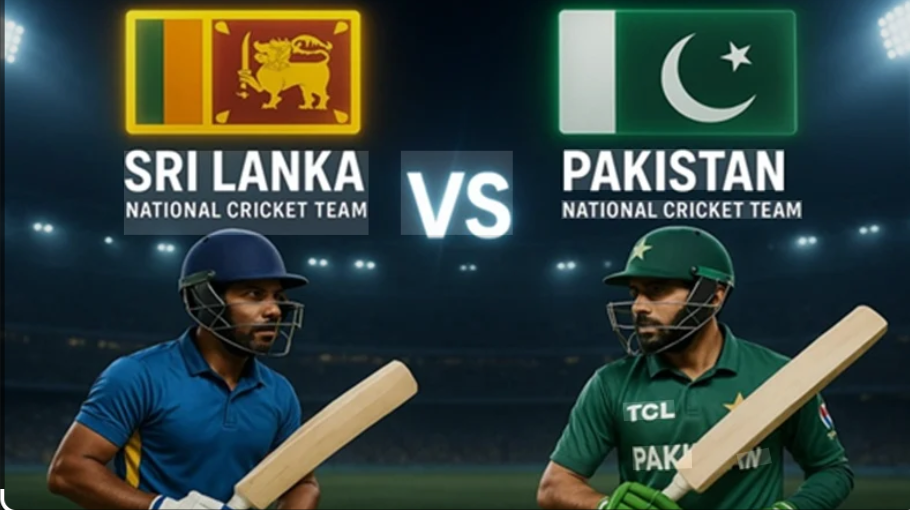
Sri Lanka National Cricket Team Vs Pakistan National Cricket Team Timeline
07 mins
Table of Contents
Cricket rivalries often grow beyond numbers, becoming stories of pressure, pride, and changing eras. When two established international sides meet over decades, every match adds a new layer of intensity and meaning. This timeline explores how early encounters shaped expectations, how playing styles evolved, and how tactical decisions influenced outcomes across formats. From tight finishes to dominant performances, each phase reflects the growth of both teams in skill and mindset. Fans witnessed shifting momentum, unforgettable spells, and crucial batting efforts that defined entire series. This journey highlights not just results, but the deeper evolution of competitive international cricket across generations.
Latest Matches
Date
Format
Venue
Winner
Margin
February 23, 2026
T20I
Pallekele
Pakistan
5 runs
January 18, 2026
T20I
Dambulla
Pakistan
7 wickets
January 15, 2026
T20I
Dambulla
Match abandoned
No result
January 13, 2026
T20I
Dambulla
Sri Lanka
18 runs
November 28, 2025
T20I
Multan
Pakistan
6 wickets
November 18, 2025
ODI
Rawalpindi
Pakistan
83 runs
November 15, 2025
ODI
Rawalpindi
Pakistan
4 wickets
November 12, 2025
ODI
Rawalpindi
Pakistan
62 runs
All Time Head to Head Record
Format
Total Matches
Pakistan Wins
Sri Lanka Wins
Draws or No Result
Test Matches
59
23
17
19
One Day Internationals
158
93
57
8
Twenty20 Internationals
31
20
12
1
Overall Combined
248
136
86
26
All Time Batting Leaders
Player Name
Team
Matches
Total Runs
Highest Score
Batting Average
Inzamam-ul-Haq
Pakistan
97
3233
177
44.28
Kumar Sangakkara
Sri Lanka
87
3187
211
42.49
Mahela Jayawardene
Sri Lanka
92
2991
240
38.84
Saeed Anwar
Pakistan
64
2884
161
48.06
Javed Miandad
Pakistan
60
2585
163
51.70
Marvan Atapattu
Sri Lanka
71
2515
207
39.92
Aravinda de Silva
Sri Lanka
77
2496
151
37.81
Salim Malik
Pakistan
74
2465
237
39.12
All Time Bowling Leaders
Player Name
Team
Matches
Total Wickets
Best Bowling
Economy Rate
Muttiah Muralitharan
Sri Lanka
84
196
8 for 46
3.32
Wasim Akram
Pakistan
79
168
5 for 21
3.24
Waqar Younis
Pakistan
61
143
6 for 26
3.81
Chaminda Vaas
Sri Lanka
68
135
6 for 25
3.68
Shahid Afridi
Pakistan
81
102
5 for 11
4.41
Imran Khan
Pakistan
31
94
8 for 58
2.91
Lasith Malinga
Sri Lanka
44
81
5 for 34
5.12
Saeed Ajmal
Pakistan
36
79
5 for 68
3.89
First Encounter That Shaped Early Competition
The opening meetings between the two sides were not just about results but about identity building in international cricket. One side arrived with an established reputation for pace and aggression, while the other was still developing consistency at the highest level. Early matches were marked by cautious batting approaches, testing bowling spells, and a clear sense that both teams were trying to understand each other’s strengths. The contests often swung between periods of control and sudden collapses, reflecting the learning curve of emerging rivalries in world cricket. What stood out most was the competitive spirit, even when skill gaps were visible. These early games laid the foundation for a rivalry that would later become more intense, tactical, and emotionally charged across formats and generations.
Match Type
Dominant Phase
Key Strength Displayed
Result Trend
Match Nature
ODI
Bowling
Pace attack control
Balanced
Competitive
Test
Batting
Defensive resilience
Draw-heavy
Tactical
ODI
Mixed
Middle order recovery
Narrow wins
Unpredictable
Test
Bowling
Spin introduction
Controlled wins
Strategic
Rise of Competitive Balance Between Both Sides
As years passed, the balance of power began to shift more evenly between the teams. One side that initially relied on raw pace started facing stronger resistance from a more structured batting approach. The other team, once considered inconsistent, began producing disciplined innings and stronger partnerships under pressure. This phase of cricket showed how adaptability defined success at the international level. Matches became tighter, with fewer one-sided results and more strategic decision-making from captains. Field placements, bowling rotations, and batting order experiments became key talking points. Fans also started noticing that no match could be taken lightly anymore, as momentum could change within a few overs. This evolution marked the beginning of a more mature rivalry where preparation mattered as much as talent.
Season Phase
Team Growth Area
Tactical Shift
Match Intensity
Outcome Pattern
Early era
Experience
Basic planning
Moderate
One-sided
Transition
Batting depth
Rotation policy
High
Close finishes
Mid era
Bowling variety
Spin use increase
Very high
Balanced
Modern phase
Field strategy
Data-driven tactics
Extreme
Unpredictable
Pace Attack Pressure Versus Batting Resilience
One of the defining themes across encounters has been the battle between fast bowling aggression and batting endurance. The pace unit often relied on early breakthroughs, using movement and short-pitched deliveries to unsettle top-order batters. In response, the batting side developed techniques to handle pressure spells, focusing on strike rotation and partnership building. This contest created a rhythm where early overs often dictated the flow of the match. When batters survived the new ball, scoring opportunities increased significantly. However, when early wickets fell, innings often collapsed quickly under sustained pressure. This dynamic made every match unpredictable and kept audiences engaged throughout. Over time, both sides refined their strategies, making this contest within the contest one of the most exciting aspects of their rivalry.
Bowling Phase
Batting Response
Pressure Level
Key Advantage
Match Impact
New ball
Defensive play
High
Bowlers
Early wickets
Middle overs
Rotation focus
Medium
Balanced
Stabilization
Reverse phase
Counterattack
High
Batters
Momentum shift
Death phase
Risk shots
Extreme
Mixed
Final outcome
Spin Dominance and Middle Order Battles
As conditions shifted across venues, spin bowling became a decisive factor in shaping outcomes. Spinners from both sides played crucial roles in controlling the middle overs and breaking partnerships at key moments. The middle order often found itself under pressure when spin was introduced early, forcing batters to adjust their footwork and shot selection. This phase of play became a test of patience and skill rather than power. Some matches were entirely controlled through spin, with scoring rates dropping and wickets falling in clusters. Teams that adapted quickly to spin-friendly conditions gained a clear advantage. This tactical layer added depth to the rivalry, making it more than just a contest of pace or batting strength.
Spin Condition
Batting Strategy
Wicket Pattern
Control Factor
Outcome Influence
Dry pitch
Defensive sweep
Gradual wickets
High
Controlled
Turning track
Footwork focus
Sudden collapse
Very high
Decisive
Slow surface
Rotation play
Limited risks
Medium
Balanced
Mixed pitch
Adaptive shots
Irregular wickets
High
Unstable
World Tournament Pressure and Knockout Intensity
Global tournaments brought an entirely different level of pressure to the rivalry. Matches in World Cup and major ICC events carried emotional weight, where every ball had long-term consequences. Teams played with more caution in early overs but increased aggression as innings progressed. Fielding standards also improved significantly under high stakes, with crucial run-outs and diving catches changing match outcomes. Fans from both sides treated these encounters as must-win battles, creating electrifying stadium atmospheres. Tactical decisions such as batting order changes and bowling rotations became critical under pressure. These matches often produced unforgettable individual performances that defined careers.
Tournament Stage
Pressure Level
Key Moment Type
Match Intensity
Result Impact
Group stage
Medium
Stable start
Controlled
Qualification
Super stage
High
Momentum shifts
Intense
Narrow wins
Semi-final
Very high
Big performances
Extreme
Career defining
Final
Maximum
Pressure errors
Highest
Legacy shaping
Asia-Level Rivalry and Regional Pride Battles
Regional competitions intensified emotions between the two sides, turning every match into a battle of pride and dominance. The atmosphere in these games was often louder and more emotionally charged than global tournaments. Players felt the pressure of expectations from passionate fans who followed every delivery closely. Matches frequently featured aggressive celebrations, heated exchanges, and dramatic momentum swings. Tactical approaches became more aggressive, with teams willing to take risks earlier in innings. These contests helped define the emotional core of the rivalry, making it one of the most followed matchups in the region.
Competition Type
Fan Intensity
Tactical Style
Aggression Level
Match Flow
Regional cup
High
Balanced
Medium
Competitive
League stage
Very high
Aggressive
High
Fast paced
Knockout
Extreme
Defensive start
Very high
Tight
Final clash
Maximum
Risk heavy
Extreme
Unpredictable
Modern Era Tactical Evolution and Team Balance
In recent years, the rivalry has entered a more strategic phase driven by analytics, player specialization, and match-up planning. Teams now rely heavily on data to decide bowling changes, batting orders, and field placements. Power-hitting in the middle and death overs has become a major factor, while bowling units focus on variation rather than pure speed or spin dominance. Matches are often decided in the final overs, reflecting how closely matched the teams have become. Fitness, fielding standards, and bench strength also play a major role in determining outcomes. The rivalry today is less about unpredictability and more about precision execution under pressure.
Modern Factor
Team Focus
Tactical Tool
Effectiveness
Match Result Influence
Data analysis
Strategy
Match-ups
High
Strong
Power hitting
Batting
Six hitting
Very high
Decisive
Bowling variation
Attack
Slower balls
High
Balanced
Fielding fitness
Defense
Athletic saves
Medium
Supportive
Conclusion
Over time, this rivalry transformed from uneven contests into a balanced and highly strategic battle shaped by skill, preparation, and adaptability. Early dominance gave way to closely fought encounters where small moments decided outcomes. Tactical planning, player development, and evolving match conditions all played a major role in shaping results. Both sides produced match winners who left lasting impressions through memorable performances under pressure. What stands out most is the consistency of competition and the emotional intensity surrounding every meeting. This timeline reflects how cricket rivalries evolve into lasting sporting narratives filled with passion and unforgettable moments.
 1
1